Proudly serving Phoenix, Scottsdale, Mesa, Chandler, Glendale, Gilbert & surrounding areasCall or Text 24/7: 602-449-9183
Aerial view of suburban homes, desert vegetation, and distant mountains in Phoenix, AZ.

Phoenix Tile Flooring - Shower Tile Installation, Bathroom Tile Installation, Kitchen Backsplash Installation in Phoenix, AZ

Phoenix Tile Flooring installs and restores tile for homes and businesses in Phoenix and throughout the Valley. Our services include shower and bathroom tile installation, kitchen backsplashes, tile repair and replacement, and dustless removal. We also handle regrouting, natural stone, large-format tile, outdoor patios, and commercial installation. Each recommendation is shaped around the materials, setting, and demands of the property.

Desert heat, expansive clay and caliche soils, monsoon moisture, and hard-water mineral buildup can all shorten the life of a careless installation. We check the substrate, plan layouts, and use appropriate preparation and setting methods before tile is placed. Crews follow ANSI A108 and A118 standards and TCNA handbook methods, and the company carries a current Arizona Registrar of Contractors license and full liability insurance. That approach helps owners understand what their surfaces require before work begins.

Schedule a free consultation to review material grade, labor cost, and timeline. You will receive a written estimate with labor and materials broken out separately.

★ ★ ★ ★ ★4.9/5.0 Customer Rating · 26 Years of Tile & Flooring Experience · Thousands of Projects Completed · Licensed, Bonded & Insured · Serving Homeowners & Businesses

Professional Tile Credentials

Free Consultation
Arizona ROC Licensed
Liability Insured
ANSI & TCNA Methods
Tile Installation & Restoration

Tile Services for Phoenix Properties

From custom showers and bathroom floors to backsplashes, repairs, patios, and commercial spaces, our Phoenix tile services cover both installation and restoration needs. We work with porcelain, ceramic, glass, mosaics, and natural stone while adapting preparation to the surface and setting.

Shower Tile Installation

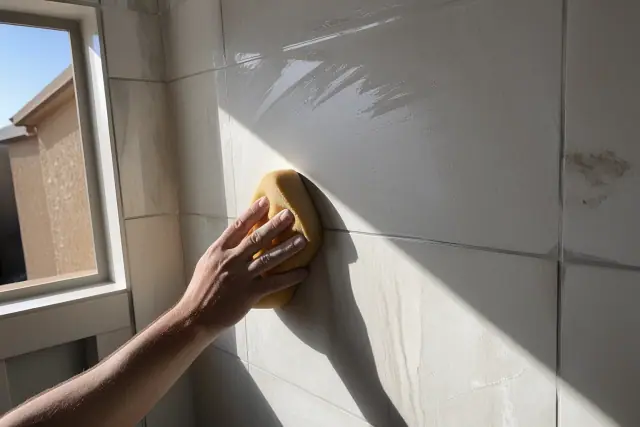
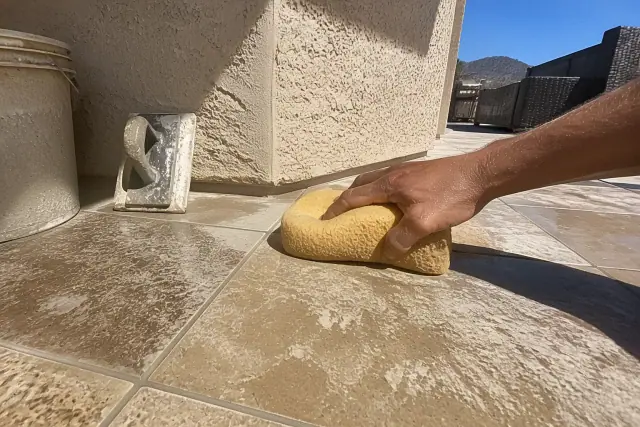
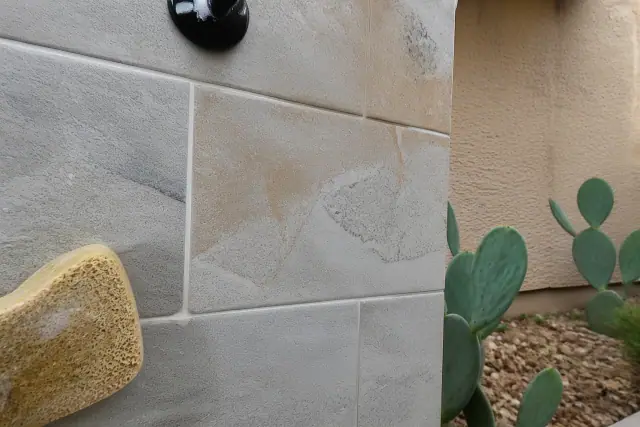
Close-up of a damp sponge wiping excess mortar from newly installed stone shower tiles in Phoenix, AZ.

Custom shower tile can combine subway, hexagon, mosaic, or glass accents with curbless or traditional pans. Wet areas receive sheet or liquid waterproofing rated to ANSI A118.10, plus the proper pre-slope and slope to the drain.

Explore Service

Bathroom Tile Installation

A damp sponge wipes excess mortar from stone tiles during a bathroom installation project in Phoenix, AZ.

Porcelain and ceramic bathroom floors are selected for moisture exposure and planned around the smaller footprints common in older Phoenix homes. Accent walls, borders, and niches can add detail without overwhelming the room.

Explore Service

Kitchen Backsplash Installation

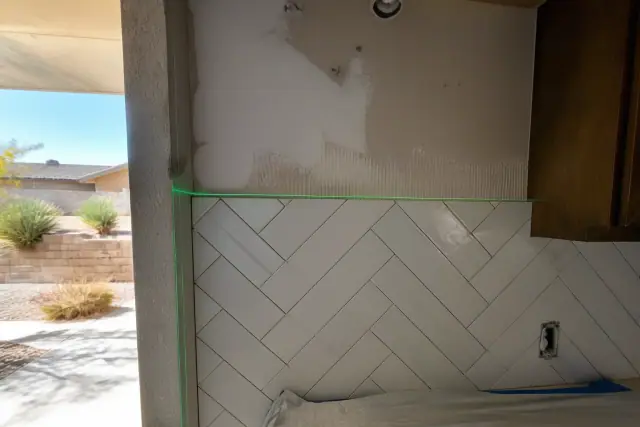
Laser level beam projected on a partially tiled kitchen backsplash at a residential job site in Phoenix, AZ.

Backsplash layouts are aligned with countertop edges and cabinet lines so cuts and grout joints look intentional. Options include subway, mosaic, glass, and natural stone tile coordinated with the room's finishes.

Explore Service

Tile Repair & Replacement

Close-up of a sponge wiping excess mortar from new stone tile joints at a jobsite in Phoenix, AZ.

Repair and replacement address damaged tile while respecting surrounding material, grout lines, and the existing layout. We evaluate the substrate and affected area before recommending a localized repair or broader replacement.

Dustless Tile Removal

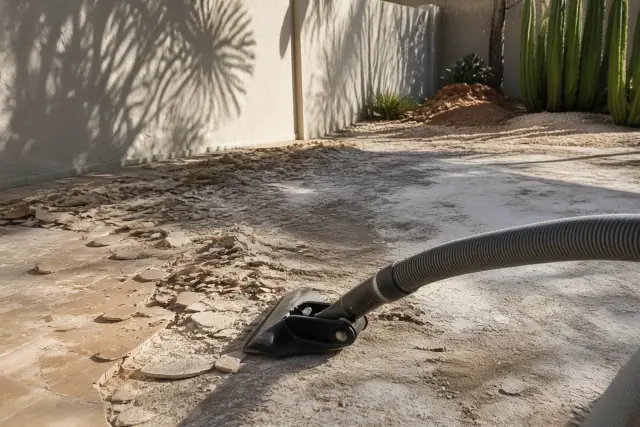
Industrial vacuum hose and removal tool capturing dust during a floor demolition project in Phoenix, AZ.

Dustless tile removal is available when existing surfaces must be cleared for a new installation. The scope is reviewed alongside substrate condition so the next flooring system starts on a properly assessed base.

Grout Repair & Regrouting

Close-up of a damp sponge wiping excess grout from between new stone tiles on a jobsite in Phoenix, AZ.

Grout repair and regrouting can refresh worn joints and address staining or mineral buildup. We match the recommendation to moisture and maintenance needs, including sealed cementitious grout or stain-resistant epoxy grout.

Natural Stone Tile Installation

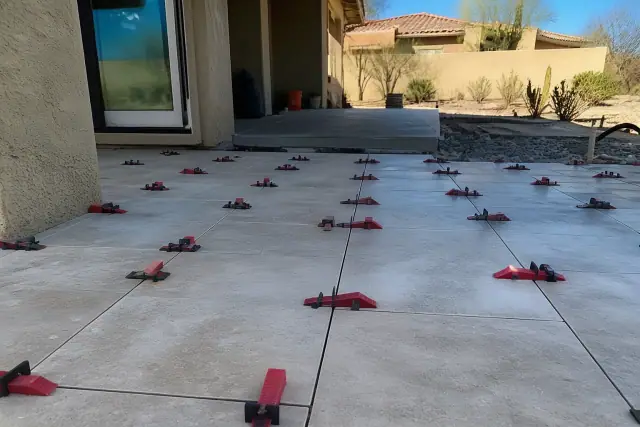
Natural stone tiles with leveling spacers installed on a residential jobsite in Phoenix, AZ.

Natural stone brings distinctive variation to floors, backsplashes, showers, and exterior spaces. We account for material grade, sealing needs, and moderate maintenance when discussing whether stone fits the project.

Large Format Tile Installation

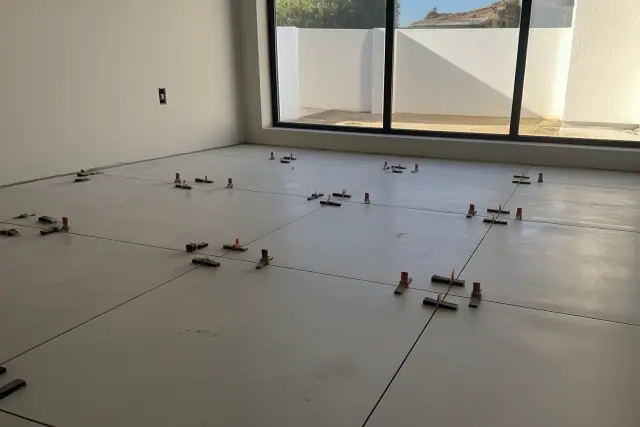
Large format tile installation with leveling clips and wedges on a residential job site in Phoenix, AZ.

Tiles 12 by 24 inches and larger require flatter substrates and larger-notch trowels to maintain mortar coverage under ANSI A108.5. The result is a clean surface with fewer grout lines and less grout maintenance.

Outdoor & Patio Tile Installation

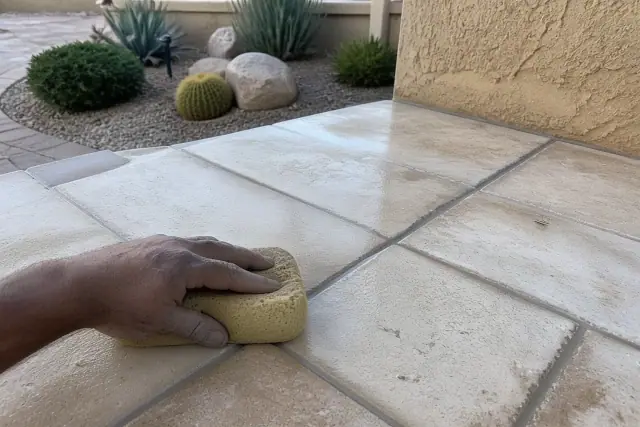
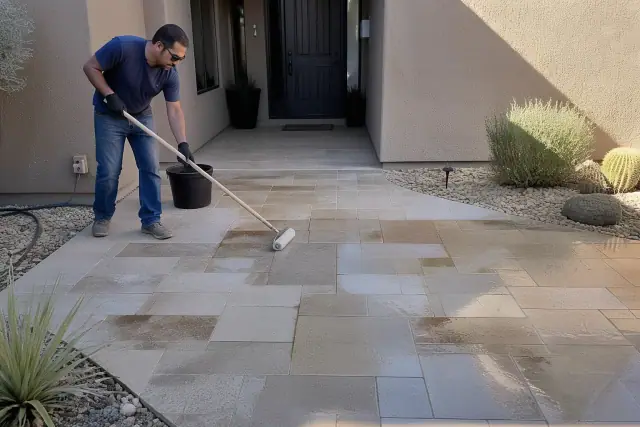
A damp sponge wiping grout from stone tiles during an outdoor patio installation in Phoenix, AZ.

Exterior-rated porcelain pavers and dense natural stone are chosen for UV exposure, monsoon downpours, and unshaded concrete temperatures that can exceed 150°F. Proper slope helps move water away from the foundation.

Commercial Tile Installation

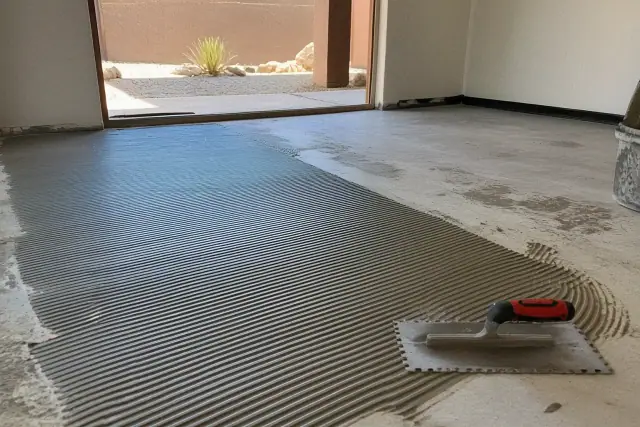
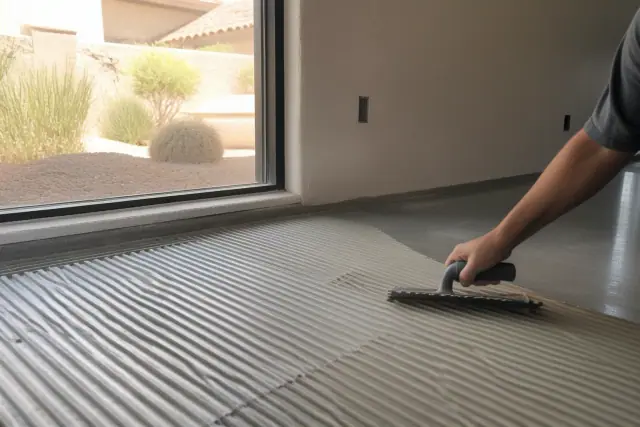
Contractor spreading adhesive on a floor for tile installation at a jobsite in Phoenix, AZ.

Commercial tile installation is available for Phoenix-area build-outs, including projects near downtown and Sky Harbor. We coordinate material grade and layout with the traffic, setting, and project scope.

Materials, Preparation & Care

Advanced Tile Solutions

Durable tile work depends on the layers, material choices, layout decisions, and maintenance plan around the finished surface. These details help match the installation to Phoenix heat, soil movement, hard water, moisture, and the way each room is used.

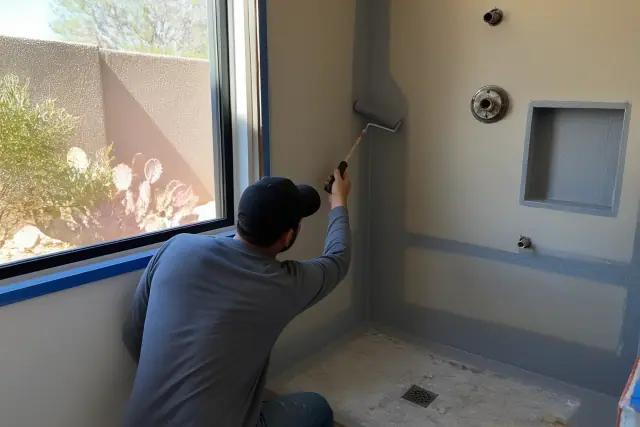
Technician applying gray liquid waterproofing membrane to a shower corner in a Phoenix, AZ bathroom.

Shower Waterproofing & Drainage

The concealed shower assembly matters as much as the visible tile. We pair waterproofing, drainage, mortar-bed preparation, and wet-floor surface selection so the system works as a complete installation.

  • Sheet or liquid membrane rated to ANSI A118.10
  • Pre-slope mortar bed beneath the shower assembly
  • Proper slope from the tiled surface to the drain
  • TCNA Handbook Method B415 and similar assemblies
  • Slip-resistant tile with a DCOF rating suited to wet floors
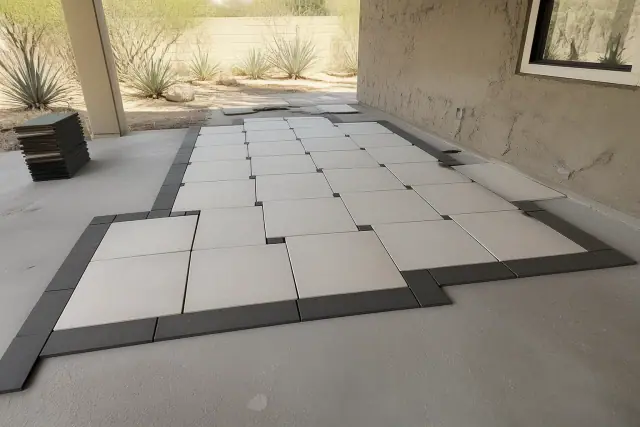
Tile floor layout arranged on a concrete slab at a residential renovation site in Phoenix, AZ.

Tile Materials & Design Options

Material and pattern choices are coordinated with the room, moisture exposure, traffic, and maintenance expectations. Options can support modern, southwestern, farmhouse, transitional, or more customized layouts.

  • Porcelain tile for high-abrasion floors and exterior-rated uses
  • Ceramic tile for low-to-moderate residential traffic
  • Natural stone for distinctive floors, walls, and patios
  • Subway and hexagon tile for structured patterns
  • Mosaic and glass tile for accents, niches, and feature walls
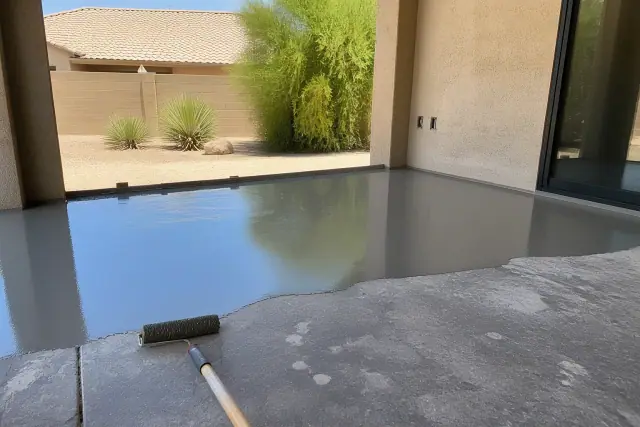
Leveling compound being applied to a concrete slab at a residential jobsite in Phoenix, AZ.

Phoenix-Ready Surface Preparation

Preparation begins below the tile, where local slab movement and surface flatness affect the finished work. The substrate and setting are reviewed before the installation method is chosen.

  • Substrate inspection before material selection
  • Crack-isolation membrane where slab movement calls for it
  • Flatter surfaces for tiles 12 by 24 inches and larger
  • Larger-notch trowels to support full mortar coverage
  • Sloped exterior bases that shed water from the foundation
Technician applying protective sealer to a natural stone floor at a residence in Phoenix, AZ.

Grout, Sealing & Maintenance

Grout selection and sealing are matched to moisture, staining risk, and the amount of upkeep a surface can reasonably receive. Phoenix hard-water conditions make this planning especially important in showers and bathrooms.

  • Penetrating sealer for cementitious grout
  • Epoxy grout where moisture or staining risk is high
  • Stain resistance without resealing when epoxy grout is used
  • Grout resealing every 12 to 18 months in hard-water conditions
  • Material-specific care for porcelain, ceramic, and stone
Licensed, Insured & Standards-Led

Why Phoenix Property Owners Choose Our Tile Approach

Our recommendations connect local property conditions with recognized tile-setting methods and clear project information. That means evaluating the surface, selecting an appropriate assembly, and explaining the material, labor, and schedule before work begins.

Phoenix Property Experience

Our work spans historic bungalows in Willo and Encanto-Palmcroft, mid-century homes in Ahwatukee, and commercial build-outs near downtown and Sky Harbor. That range helps frame layout and material discussions around the actual setting.

Standards-Based Tile Setting

Crews follow ANSI A108 and A118 setting standards together with Tile Council of North America handbook methods. When the scope requires a permit, it is pulled through the City of Phoenix Development Services Department.

Clear Written Estimates

Estimates are based on square footage and material grade, with labor and materials broken out separately. The written scope also explains the anticipated timeline so options can be compared before work begins.

When Tile Starts Showing Stress

Common Tile Problems in Phoenix Properties

Cracks, staining, loose-looking joints, poor drainage, and awkward layouts can point to issues beneath or around the visible tile. A site evaluation helps connect the symptom to the substrate, water exposure, grout choice, or original layout.

Request a Free Consultation

Slab Movement and Cracked Tile

Expansive clay and caliche soils across the Salt River Valley shift as monsoon moisture changes. Without the right substrate preparation and crack-isolation approach, that movement can contribute to early tile failure.

Extreme Surface Temperatures

Summer slab temperatures under direct Phoenix sun routinely climb past 140°F. Exterior tile and its setting materials must be selected with that heat, UV exposure, and monsoon weather in mind.

Hard-Water Grout Buildup

Hard well water can leave mineral deposits that stain joints and break down low-grade grout within months. Grout type, sealing, and a realistic maintenance plan help address that recurring Phoenix concern.

Wet-Area Moisture Failures

A shower can look finished while missing the waterproofing and drainage details behind the tile. Rated membranes, a pre-slope mortar bed, and proper slope to the drain are essential parts of the assembly.

Uneven Bases Under Large Tile

Large-format tile requires a flatter base and an installation method that maintains mortar coverage. A substrate that is not properly checked or prepared can undermine the clean, low-grout-line look these tiles are meant to create.

Awkward Cuts and Unbalanced Layouts

Unplanned patterns can leave conspicuous cuts and grout joints that do not align with cabinets, counters, niches, or shower edges. Planning the layout before setting tile keeps focal points and transitions intentional.

How It Works

Our Phoenix Tile Installation Process

The process moves from consultation and site evaluation through material planning, written pricing, preparation, and installation. Each step gives the surface and selected tile the attention they require before the next decision is made.

01.

Consultation & Project Goals

The free consultation covers the room or exterior setting, intended look, material preferences, and practical concerns. It is also the time to compare options from affordable ceramic through luxury porcelain and natural stone.

02.

Substrate & Site Evaluation

We check the substrate before recommending the setting approach. Surface flatness, slab movement, wet-area drainage, and exterior slope are considered according to the project location.

03.

Material & Layout Planning

Tile type, pattern, accents, grout joints, and edge relationships are planned before setting begins. In kitchens and showers, the layout is coordinated with counters, cabinets, niches, and the most visible cuts.

04.

Written Scope & Estimate

The estimate reflects square footage and material grade, then separates labor from materials. It also outlines the anticipated timeline so the scope can be reviewed before work starts.

05.

Surface Preparation

Preparation may include crack isolation, flattening for larger tile, shower waterproofing, mortar-bed work, or creating an exterior slope. The selected steps follow what the inspected surface and planned assembly require.

06.

Tile Setting & Care Guidance

Tile and grout are installed using the applicable setting method, with pattern alignment and mortar coverage kept in focus. Care guidance is matched to the chosen tile, grout, sealer, and exposure.

Tile Service Across Phoenix and the Valley

Phoenix Tile Flooring serves homes and businesses in Phoenix, Ahwatukee, Laveen, Paradise Valley, the Biltmore corridor, and other named parts of the Valley. Project experience also includes Willo, Encanto-Palmcroft, downtown Phoenix, and the Sky Harbor area.

  • Phoenix
  • Ahwatukee
  • Laveen
  • Paradise Valley
  • Biltmore Corridor
  • Willo
  • Encanto-Palmcroft
  • Downtown Phoenix
  • Sky Harbor Area
  • Salt River Valley
  • Phoenix
  • Ahwatukee
  • Laveen
  • Paradise Valley
  • Biltmore Corridor
  • Willo
  • Encanto-Palmcroft
  • Downtown Phoenix
  • Sky Harbor Area
Contractor spreading adhesive on a floor for a tile installation project in Phoenix, AZ.

Honest Feedback from Phoenix Tile Customers

Customer Experiences
★ ★ ★ ★ ★

Our old shower had stained grout and a dated layout. The crew explained the waterproofing and grout options, then set the new tile with clean, balanced lines. The bathroom is much easier to care for now.

AL
Amanda L.Ahwatukee Homeowner
★ ★ ★ ★ ★

I wanted a backsplash that worked with the original character of our Willo kitchen. They planned the cuts around the cabinets and countertop, and the grout lines came out symmetrical instead of looking squeezed in.

JR
Jason R.Willo Homeowner
★ ★ ★ ★ ★

Our Laveen patio needed tile that could handle full sun and monsoon rain. They walked us through exterior-rated options and the drainage slope before work began, so the recommendation made sense.

PS
Priya S.Laveen Homeowner
★ ★ ★ ★ ★

For our downtown build-out, the written estimate separated materials and labor clearly. The tile layout was coordinated around the commercial space, and we knew what to expect from the schedule before the project started.

MT
Michael T.Downtown Phoenix Business Owner
Start Your Tile Project

Plan Your Phoenix Tile
Consultation

Schedule a free consultation to discuss the surface, material grade, design, and installation needs for your Phoenix property. The written estimate will separate labor and materials and outline the anticipated timeline.

Phoenix Tile Project Help

Tile Flooring Questions, Answered

Use these answers to compare tile materials, preparation methods, wet-area details, costs, care, and service coverage before scheduling a consultation.

Call Our Tile Team

Services include shower and bathroom tile installation, kitchen backsplashes, tile repair and replacement, dustless removal, grout repair and regrouting, natural stone, large-format tile, outdoor and patio tile, and commercial installation. Projects are planned around the surface, material, and setting.

Expansive clay and caliche soils can shift with monsoon moisture, making slab movement an important local concern. We inspect the substrate and consider crack isolation, flatness, drainage, or slope according to the planned installation.

Wet-area installations use sheet or liquid waterproofing membranes rated to ANSI A118.10. The assembly also includes the appropriate pre-slope mortar bed and slope to the drain, following TCNA Method B415 or a similar applicable method.

For sealed grout exposed to Phoenix hard-water conditions, resealing is recommended every 12 to 18 months. That schedule helps limit staining and mineral buildup, while the exact care also depends on the grout selected.

Epoxy grout is useful where moisture exposure or staining risk is high. It resists staining and does not require resealing, while cementitious grout receives a penetrating sealer.

Ceramic typically runs $5-$12 per square foot installed, porcelain $7-$15, and natural stone $10-$45. Final estimates depend on square footage and material grade, with labor and materials shown separately.

Ceramic, porcelainand natural stone can each provide a service life of 50-plus years with proper care. Ceramic tile bodies are also described in the source under ISO durability standards.

The source defines large-format tile as panels 12 by 24 inches and larger. These installations need flatter substrates and larger-notch trowels to maintain mortar coverage under ANSI A108.5.

Exterior-rated porcelain pavers and dense natural stone are options for Phoenix UV exposure, intense surface heat, and monsoon downpours. The substrate also needs the proper slope so water sheds away from the home's foundation.

Service areas named in the source include Phoenix, Ahwatukee, Laveen, Paradise Valley, and the Biltmore corridor. Project experience also includes Willo, Encanto-Palmcroft, downtown Phoenix, and the Sky Harbor area.

Yes. Material and pattern choices can be coordinated with countertops, cabinet finishes, niches, borders, and focal walls using porcelain, ceramic, natural stone, subway, hexagon, mosaic, or glass tile.

The estimate is based on square footage and material grade and breaks out labor and materials separately. It also explains the anticipated timeline so you can compare the scope and material options before work begins.

Permit needs depend on the project scope. When a permit is required, Phoenix Tile Flooring pulls it through the City of Phoenix Development Services Department.

Crews follow ANSI A108 and A118 setting standards together with applicable Tile Council of North America handbook methods. Specific wet-area and large-format details are matched to the assembly, including ANSI A118.10 and ANSI A108.5 where relevant.