Proudly serving Phoenix, Scottsdale, Mesa, Chandler, Glendale, Gilbert & surrounding areasCall or Text 24/7: 602-449-9183
Aerial view of suburban homes, desert vegetation, and distant mountains in Phoenix, AZ.

Commercial Tile Installation for High-Traffic Floors and Restrooms in Phoenix, AZ

Phoenix Tile Flooring provides commercial tile installation in Phoenix, AZ, for retail, restaurant, and office spaces across the metro area. We install porcelain and large format tile for high-traffic floors, plus slip-resistant surfaces for entries and restrooms. Our crews also handle natural stone, glass tile, waterproofing, tile replacement, grout work, and dustless tile removal where a project requires them. Each installation is planned around substrate condition, traffic, moisture exposure, and daily business use.

Surface temperatures on unshaded Phoenix concrete can climb well past 150 degrees, putting poorly bonded flooring through severe heat cycling. Tracked grit, rolling carts, and seasonal movement in expansive clay soils add stress at joints and tile edges. We inspect the substrate, plan the layout, and address leveling or moisture protection before tile is set. That preparation helps prevent cracked grout, lifted tile, failed waterproofing, and large format lippage.

A walk-through estimate identifies material, labor, substrate leveling, and waterproofing needs before work begins. We explain the recommended tile, preparation, and installation sequence so the scope is clear.

Phoenix Tile Flooring provides commercial tile installation in Phoenix and across the metro area, including Scottsdale, Tempe, Mesa, Chandler, and Glendale.

★ ★ ★ ★ ★4.9/5.0 Customer Rating · 26 Years of Tile & Flooring Experience · Thousands of Projects Completed · Licensed, Bonded & Insured · Serving Homeowners & Businesses

Commercial Tile Options & Benefits

What Is Commercial Tile Installation?

Commercial tile installation combines material selection, substrate preparation, layout, setting, grouting, and sealing for spaces that face continuous use. The assembly must account for foot traffic, rolling loads, moisture, cleaning, and the condition of the existing floor.

Preparation may include careful demolition, floor leveling compounds, crack isolation membranes, or self-leveling underlayment. Tile is then installed with the appropriate thin-set mortar and joint spacing for its material, size, and exposure.

Phoenix projects can include retail floors, restaurant surfaces, office entries, restrooms, backsplashes, and repair work. A properly installed porcelain or large format floor can serve for decades with minimal repair while maintaining a clean, consistent appearance.

Benefits of Commercial Tile

Commercial tile can balance durability, safety, moisture resistance, and day-to-day appearance when the material and installation method fit the space.

  • Abrasion resistance for high-traffic retail, restaurant, and office floors
  • Slip-resistant choices for entries, restrooms, and spill-prone areas
  • Consistent layouts and grout lines that support a professional appearance
  • Large format options that reduce grout lines and maintenance
  • Porcelain surfaces that resist moisture and staining
  • Crack isolation and leveling options for demanding substrates
  • Grout and sealant selected for traffic and moisture exposure
  • Repairable tile assemblies that can limit disruption when damage is localized
Commercial Flooring Services

Commercial Tile Services

We tailor commercial tile work to the surface, traffic pattern, tile format, moisture exposure, and condition of the existing substrate. The scope can cover a new buildout, a focused repair, or the preparation needed before a replacement floor is installed.

High-Traffic Porcelain Flooring

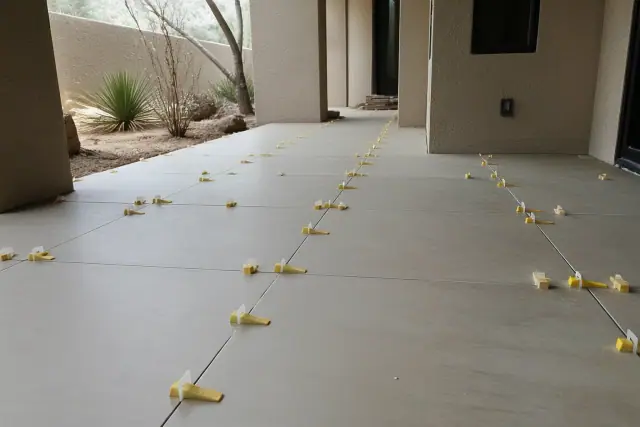
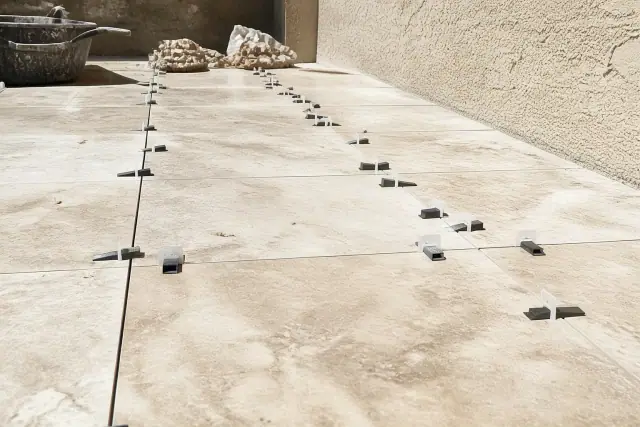
Leveling clips and wedges installed between porcelain floor tiles at a job site in Phoenix, AZ.

Porcelain resists abrasion, staining, and moisture under continuous commercial use. We match the tile rating and surface texture to retail floors, restaurants, offices, entries, or other active areas.

Request Estimate

Large Format Tile Installation

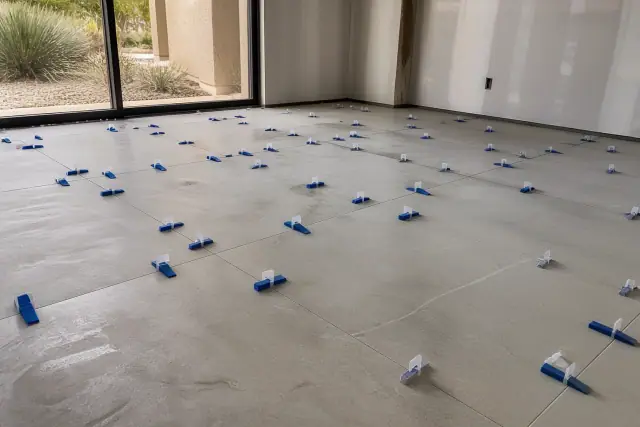
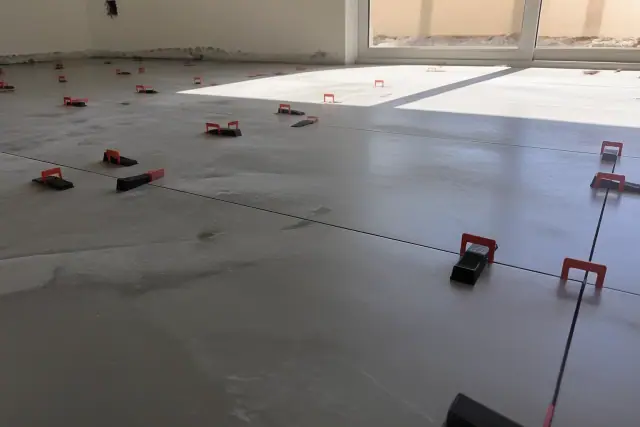
Large format tile installation with leveling clips and wedges on a construction site in Phoenix, AZ.

Large format porcelain gives offices, restaurants, and retail floors a cleaner look with fewer grout joints. Careful leveling and edge control are essential because the tile magnifies every low or high point in the substrate.

Request Estimate

Commercial Restrooms & Wet Areas

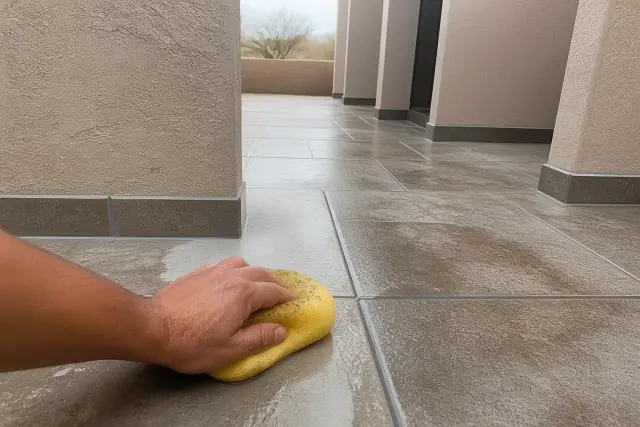
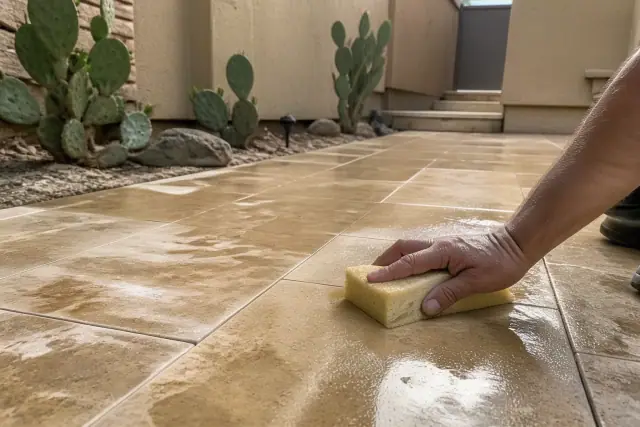
A contractor wiping fresh grout from stone tiles during a commercial installation in Phoenix, AZ.

Restrooms and other wet installations need proper slope, a continuous waterproofing membrane, moisture-resistant tile, and sealed joints. We address the pan, walls, floor transitions, and drainage before the finish tile is placed.

Request Estimate

Tile Repair & Replacement

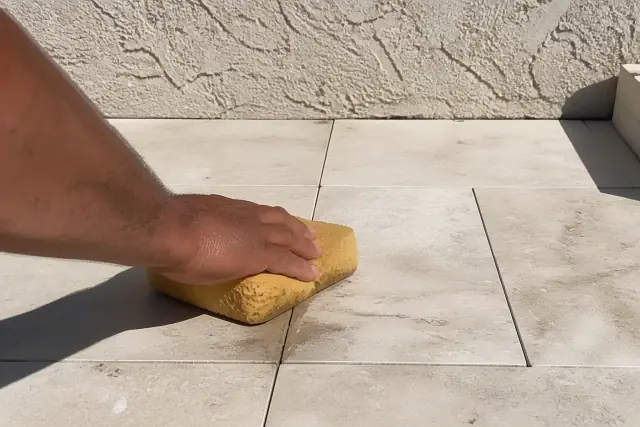
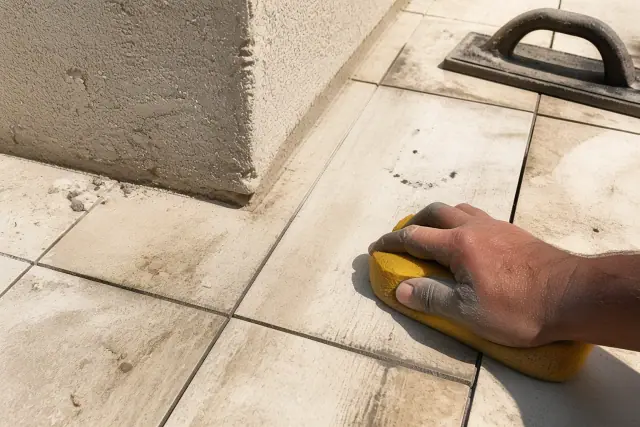
A sponge wiping excess mortar from between newly installed stone tiles at a jobsite in Phoenix, AZ.

Cracked, lifting, or hollow-sounding tile often points to movement or a failed bond below the surface. We remove damaged pieces carefully, level the exposed substrate, and reinstall a close match or use a planned border transition when an exact tile is unavailable.

Request Estimate

Dustless Tile Removal

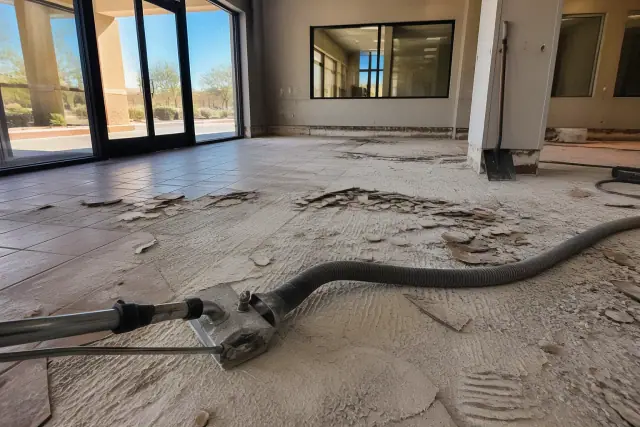
Dustless tile removal with an industrial vacuum hose on a commercial floor in Phoenix, AZ.

Shrouded grinders and scrapers connected to HEPA-filtered vacuum systems capture fine dust and debris at the source. Plastic barriers contain the work area, followed by thorough cleanup before the next flooring phase.

Request Estimate

Grout Repair & Regrouting

A damp sponge wiping grout from new stone tile joints at a commercial jobsite in Phoenix, AZ.

Regrouting removes failed material to a consistent depth before new cementitious or epoxy grout is packed into the joints. Epoxy grout offers added stain resistance for kitchens and high-traffic commercial flooring exposed to frequent use.

Request Estimate
Tile Material Options

Commercial Tile Material Options

The right tile depends on traffic, moisture, cleaning, desired joint pattern, and the role of the surface. We compare porcelain, large format tile, natural stone, glass, and ceramic based on where each material will perform and how much maintenance it needs.

Damp sponge wiping excess mortar from new porcelain tile grout lines at a jobsite in Phoenix, AZ.

Porcelain Tile

Porcelain is the primary choice for demanding commercial floors because it handles abrasion, moisture, and staining better than lower-rated ceramic. Available textures and formats let the surface address both appearance and daily use.

  • Suited to continuous commercial foot traffic
  • Resists moisture and staining
  • Available in large format sizes
  • Works for floors and wet areas
  • Offers surface textures for different conditions
Request Estimate
Large format tile installation with leveling clips and wedges on a construction site in Phoenix, AZ.

Large Format Tile

Large format tile creates broad, uninterrupted surfaces for modern offices, restaurants, and stores. Its scale makes substrate preparation and controlled setting especially important.

  • Fewer grout lines across large floors
  • Cleaner visual continuity
  • Reduced grout maintenance
  • Requires a carefully leveled substrate
  • Needs precise edge and lippage control
Request Estimate
Natural stone tiles being installed with leveling clips and wedges on a construction site in Phoenix, AZ.

Natural Stone Tile

Natural stone can bring distinctive texture to lobbies, entries, accent areas, patios, and garden paths, but each material responds differently to wear and moisture. Sealing and placement matter as much as appearance.

  • Travertine complements Southwest design themes
  • Marble suits lower-traffic accent areas
  • Slate provides texture for patios and pathways
  • Penetrating sealer helps protect porous surfaces
  • Maintenance varies with traffic and sun exposure
Request Estimate
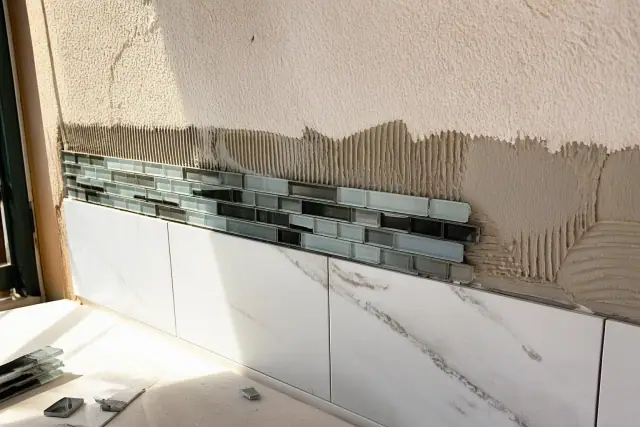
Glass tile accents being installed on a kitchen backsplash wall in Phoenix, AZ.

Glass Tile Accents

Glass tile adds a cleanable accent surface behind sinks, ranges, counters, and feature areas. Precise cuts, dry layout, and careful alignment keep the small-format work consistent around fixtures and edges.

  • Useful for backsplashes and feature bands
  • Easy-to-wipe surface behind sinks and ranges
  • Dry-laid before setting for alignment
  • Cut precisely around outlets and edges
  • Finished with stain-resistant grout and sealant
Request Estimate
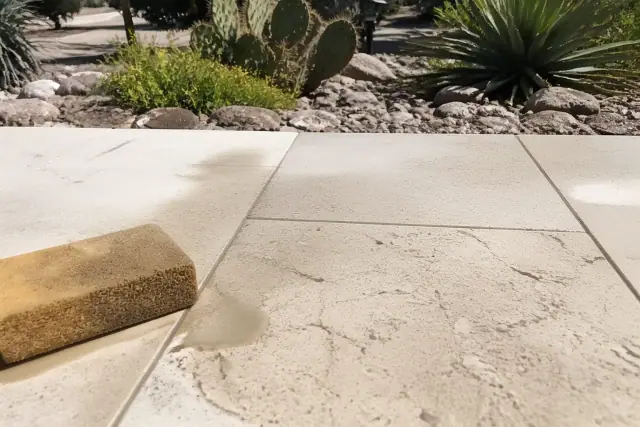
A damp sponge wiping grout from newly installed stone tiles at a commercial job site in Phoenix, AZ.

Ceramic Tile

Ceramic remains useful for wall tile and backsplash applications where heavy floor abrasion is not the primary concern. It offers a cleanable finish and flexible grout-color choices for coordinated interiors.

  • Practical for wall and backsplash surfaces
  • Handles grease and routine wiping
  • Supports varied grout-color combinations
  • Can be fitted around cabinets and counters
  • Lower-rated products are not intended for heavy commercial floors
Request Estimate
Built for Phoenix Properties

Choosing the Right Commercial Tile Approach

The strongest approach starts with the actual substrate, service environment, tile material, and maintenance needs. We plan preparation and installation around Phoenix heat, hard water, UV exposure, floor movement, and the traffic a commercial space receives.

TCNA-Based Preparation

Every project follows Tile Council of North America Handbook methods for substrate preparation, thin-set mortar application, and tile joint spacing. The method is selected for the material and conditions instead of treating every floor the same.

Arizona-Licensed Crews

Phoenix Tile Flooring is licensed under the Arizona Registrar of Contractors and carries full insurance on every crew. That accountability applies to commercial buildouts as well as residential remodeling work.

Desert-Condition Planning

Tile materials and underlayment are planned for Arizona heat, hard water, UV exposure, and seasonal movement in expansive clay soils. Crack isolation membranes, moisture barriers, and leveling compounds are used where the substrate calls for them.

Problems We Solve

Commercial Tile Issues We Correct

Tile failures often begin below the finished surface or with a material that does not fit the space. A site walk-through helps separate cosmetic damage from bond, movement, moisture, wear, and preparation problems.

Request Site Walk-Through

Cracked Grout Joints

Cracked or crumbling grout can result from improper mixing, shallow joints, movement, or long-term hard-water exposure. The repair should address the cause before replacement grout is packed into the joint.

Lifted or Hollow Tile

Lifting corners and hollow sounds when a tile is tapped commonly point to substrate movement or a failed bond. Leaving the area in place can allow a larger section to fail under normal foot traffic.

Large-Format Lippage

Uneven edges between large format tiles usually trace back to inadequate substrate flatness. Floor leveling before setting helps keep the finished surface aligned and reduces trip-prone edges.

Failed Wet-Area Waterproofing

Mildew, deteriorating grout, or moisture behind restroom and shower tile can indicate a failed wet-area assembly. Proper drainage, continuous membranes, sealed joints, and moisture-appropriate materials work together to protect the substrate.

Abrasion and Slip Concerns

Entryways and busy floors face grit, rolling carts, spills, and repeated foot traffic. Tile abrasion rating and slip resistance should be matched to those conditions rather than selected by appearance alone.

Silica Dust During Removal

Standard tile demolition can release fine silica dust throughout a property and into HVAC pathways. Source-capture tools, HEPA filtration, sealed barriers, and thorough cleanup keep the removal phase controlled.

How it works

Our Commercial Tile Process

A clear sequence keeps material selection, substrate work, tile layout, and finish details connected. Each step is adjusted to the space rather than forcing every commercial project into the same scope.

01.

Site Walk-Through and Scope

We review the rooms, traffic, moisture exposure, desired tile, existing damage, and transitions. The estimate separates material, labor, and preparation needs so the starting scope is clear.

02.

Substrate Inspection

The floor is checked for movement, hollow areas, flatness, drainage slope, bond failure, and moisture concerns. These findings determine whether leveling, repair, isolation, or waterproofing is needed.

03.

Layout and Material Plan

Tile patterns are dry-laid to confirm alignment, focal points, cuts, grout color, and transitions before mortar is applied. The chosen material and texture are matched to traffic and moisture conditions.

04.

Preparation and Moisture Protection

Existing tile is removed carefully, with dust containment used when demolition is part of the scope. The substrate is cleaned and leveled, then fitted with crack isolation, underlayment, or waterproofing where required.

05.

Tile Setting and Joint Control

Tile is set with the thin-set mortar and joint spacing suited to the selected material. Alignment, coverage, and edge height are checked as the installation moves across the floor or wall.

06.

Grouting, Sealing, and Cleanup

Joints receive cementitious or epoxy grout based on exposure, followed by the appropriate penetrating sealant for grout or natural stone. The work area is cleaned so the surface is ready for the next phase of the property plan.

Plan the Next Phase

Plan Your Commercial
Tile
Installation

Request a walk-through to review the substrate, tile options, traffic, moisture exposure, and preparation needs for your Phoenix property. We will build the estimate around the conditions found on site.

Commercial Tile Help

Commercial Tile Installation FAQs

These answers cover material ratings, Phoenix pricing, preparation, repairs, removal, waterproofing, and maintenance. A site walk-through is still the best way to match the installation method to a specific property.

Call Our Experts

Porcelain tile rated PEI Class 4 or 5 is generally the strongest choice for commercial floors because it resists abrasion, staining, and moisture under heavy use. Natural stone can suit lobbies or lower-traffic areas, but it needs more frequent sealing and is less suitable for high-wear zones.

Common mistakes include skipping substrate leveling, using the wrong thin-set mortar, rushing cure time, and setting improper joint spacing. In wet areas, omitting the waterproofing membrane can lead to moisture damage behind the tile within a year or two, while poor flatness often causes large format lippage.

Commercial tile installation in Phoenix typically runs $7 to $20 per square foot installed, depending on material and substrate condition. Arizona ceramic tile installation is typically about $6.30 to $8.03 per square foot with labor and mid-grade material; porcelain ranges from $5 to $20, natural stone often runs $5 to $45, and premium glass accents can reach $10 to $180 per square foot. A project estimate also accounts for total square footage, format size, floor leveling, and waterproofing.

For entryways, restrooms, and spill-prone areas, look for tile with a DCOF rating of 0.42 or higher under ANSI A137.1. Surface texture, cleaning practices, and the way the area is used should also guide the selection.

TCNA guidance calls for substrate flatness within 1/8 inch over a 10-foot span for large format tile. Floor leveling compounds can correct the surface before setting, helping prevent lippage at tile edges.

Shrouded grinders and scrapers connect to HEPA-filtered vacuum systems so dust is captured where demolition occurs, while plastic barriers contain the work area. OSHA's respirable crystalline silica standard, 29 CFR 1926.1153, limits airborne exposure to 50 micrograms per cubic meter over an eight-hour shift.

Wet installations receive a sheet or liquid waterproofing membrane rated to ANSI A118.10 before tile is set. Proper slope, drain transitions, joint treatment, and complete membrane coverage protect the pan, walls, and substrate as one assembly.

Cracks, lifting corners, and hollow sounds commonly indicate substrate movement or a failed bond rather than a purely cosmetic issue. The damaged area should be opened carefully so the substrate can be leveled and the replacement tile reset to the correct thin-set specification.

Discontinued tile lines are common in Phoenix properties built more than a decade ago. We look for a close match and can recommend a border transition when an exact product is unavailable, avoiding an abrupt visual break around the repaired section.

Natural stone should generally be resealed every twelve to eighteen months, depending on foot traffic and sun exposure. Travertine needs sealing before grouting during installation, while marble and slate placement should reflect their different wear and texture characteristics.

Sealing grout annually and cleaning it on a regular schedule help limit staining and mineral buildup. Proper joint depth and spacing at installation also reduce the conditions that lead to early cracking.

A typical shower tile installation runs three to five days from demolition through grout cure. That sequence includes shower pan work, waterproofing, tile setting, and sealing.

Phoenix Tile Flooring serves residential and commercial clients throughout Phoenix, Scottsdale, Tempe, Mesa, Chandler, and Glendale. Service planning reflects the property's substrate, exposure, and intended tile use.