Start With Function
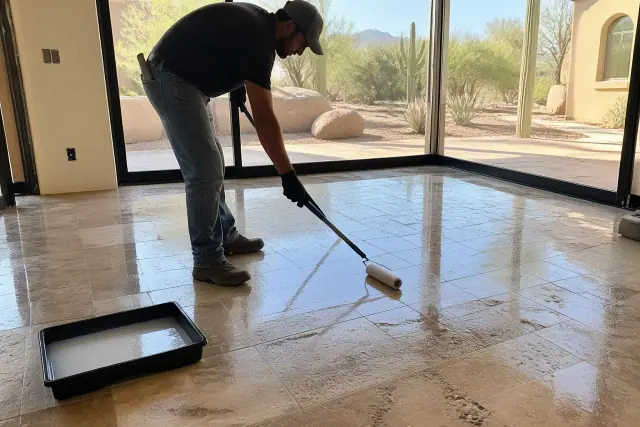
Porcelain is a practical starting point for bathroom floors because it absorbs less than 0.5% water by weight and handles wet-area use consistently. Ceramic is easier to cut and can suit walls or low-traffic guest baths, while travertine, marble, and slate add natural variation but require sealing at installation and typically annually afterward. Glass works well for reflective mosaics and accent bands, though scratches, substrate flatness, and thinset selection are more visible.
Factors That Change the Choice
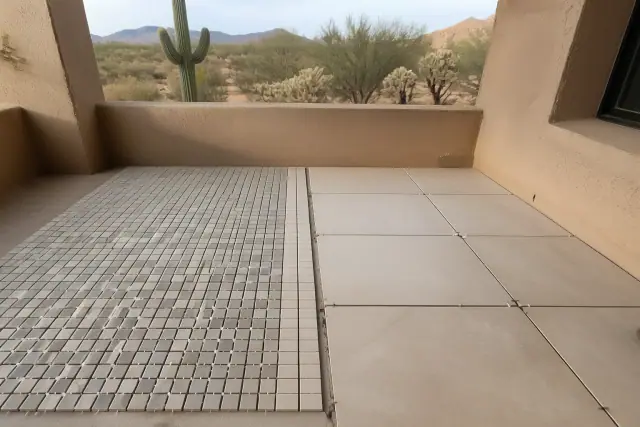
Size and layout affect both appearance and installation. Along with 12x12, 12x24, and 24x24 tile, a 6x24 plank is common for wood-look floors; mosaics follow shower slopes, while large formats reduce grout lines but demand a flatter substrate and precise thinset coverage. For rectangular tile longer than 15 inches, a running-bond offset of no more than one-third rather than 50% can reduce lippage. Color and finish should respond to available light, and textured surfaces, earthy tones, warm neutrals, stone-look porcelain, and recycled-content tile are prominent 2026 directions.
Common Follow-Up Questions
The shower floor does not need to match the main bathroom floor exactly; coordinating the color family and finish can provide continuity while allowing a smaller, textured mosaic to follow the drain slope. Porcelain needs minimal upkeep, while natural stone needs periodic resealing and extra attention in Phoenix's hard, mineral-rich water. Heated tile can add comfort during winter mornings and in air-conditioned bathrooms, but radiant mats and electrical coordination must be planned before the floor is installed.